
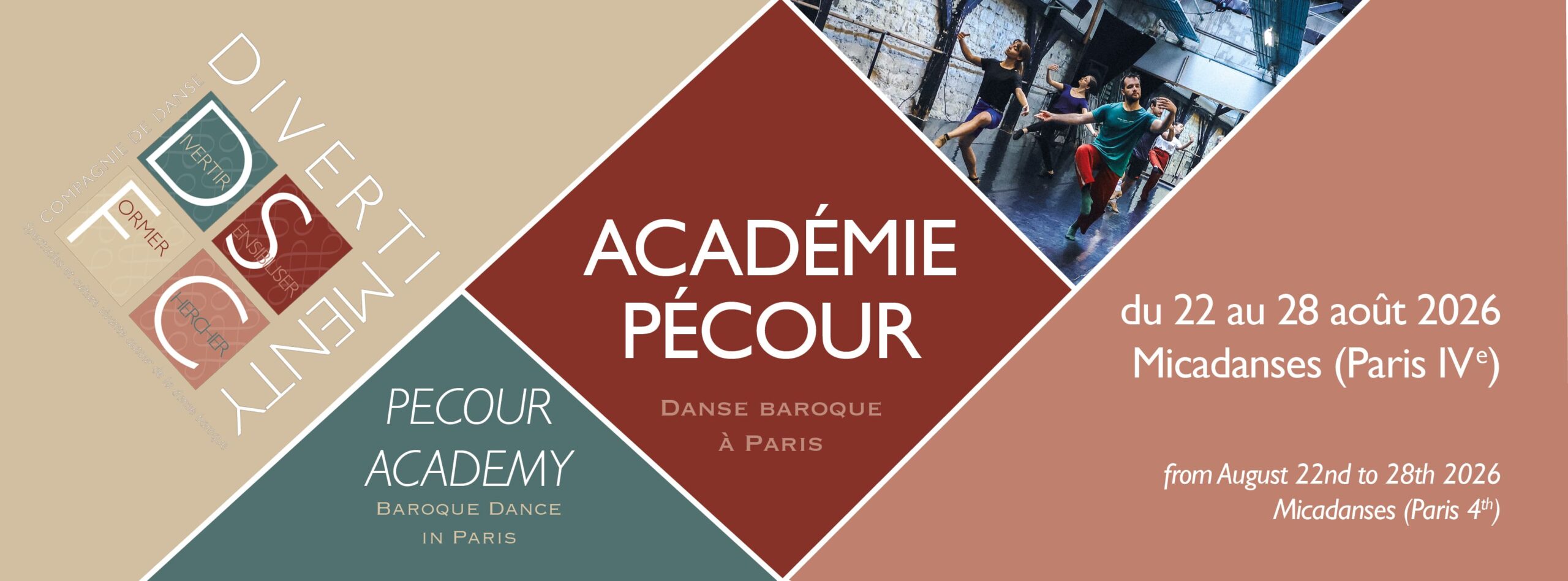
PECOUR ACADEMY – BAROQUE DANCE IN PARIS – 4th EDITION IN 2026
This Baroque dance academy offers in-depth work on the technical sources, the repertoires and the challenges of putting them into practice. It is aimed at an international audience by offering bilingual and intermediate-advanced to professional education. The schedule consists of morning technical classes and afternoon workshops with Irene Feste, Hubert Hazebroucq and Guillaume Jablonka.
FROM SATURDAY 22ND OF AUGUST AT 6 PM TO FRIDAY 28TH OF AUGUST 2026 AT 4 PM
THÈME: REPERTORY AND CREATION / DIVERTIMENTY CELEBRATES ITS 20TH ANNIVERSARY
NEW :
- Film projection and exchange with the choreographer Marie-Geneviève Massé on Tuesday 25th August 2026 at 3:45 pm
- Performance of Candide ou le Ballet de l’Optimisme, 2026 creation by Company Divertimenty, Sunday 23rd August 2026 at 6 pm
- Grant program by Dance & History e.V. for a dancer living in Germany and desiring to follow Pecour Academy 2026
- 2 steps registration procedure : 30 places allocated on April 15th, 6 more on June 15th

Educational organization
- For the morning technical class, each teacher offers different choreographies. Participants choose only one course and take it all week. The afternoon workshops are organized in two different slots (14:15-15:30 then 15:45-17:00), each participant chooses a workshop for the first slot and another workshop for the second slot.
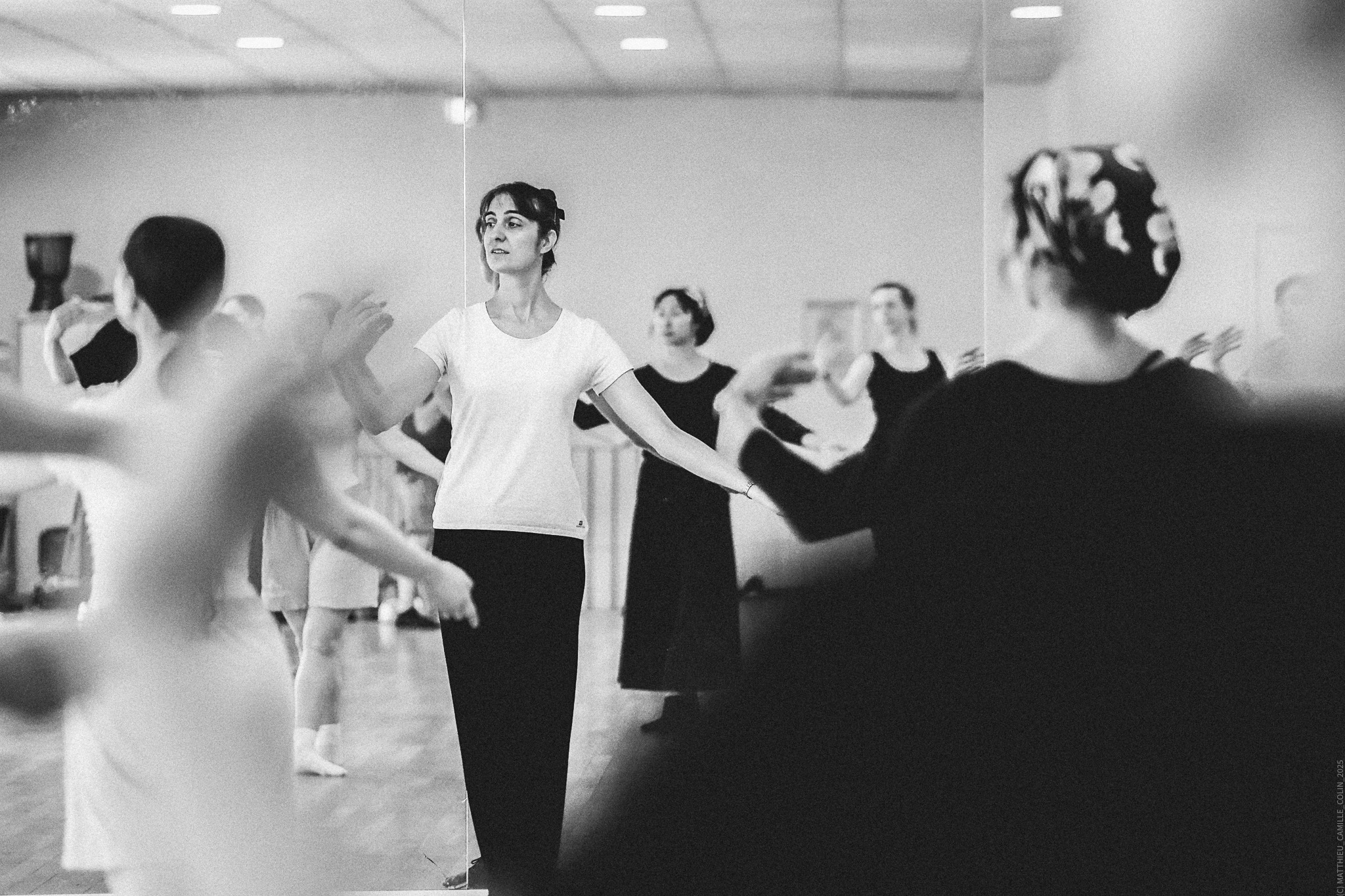
Repertoire worked with Irène Feste
- Variations on the tune « La Furstemberg » :
- Entrée de mr Feuillet, stage dance for a man (FL/Ms05.1/15 LM-3020) : Consult the choreography
- Les Contrefaiseurs contre-danse, danse de bal pour un homme et une femme par Louis Guillaume Pécour (FL/1702.1/01 LM-2200) : Consult the choreography
20 years of Divertimenty: these two dances have been presented several times in public on the occasion of Introduction to Baroque Dance
Content of the class with Irène Feste
Duet, solo, contredances… La Furstemberg is a popular tune that has been covered by several composers, including Henry Purcell and Michel Corrette. Pécour and Feuillet themselves were inspired by this music to adapt it into a duet and a solo, respectively. With its call-and-response and changes of direction, the duet is a true moment of complicity with one’s partner and allows for a wide range of interpretative possibilities. L’Entrée de Mr Feuillet, meanwhile, is a dance full of lightness and virtuosity, highlighting the dancer’s lower leg. We will take this opportunity to dance the duet to its original music, « Autre air pour la contredanse sur lequel elle a été dansée à l’Opéra » (Another tune for the contradance to which it was danced at the Opera), as provided by Feuillet in the publication of Ier Recueil de danses de bal pour l’année 1703.This same tune is used again for a contredanse called “Conter faiseur” in Jayme’s 1717 publication.
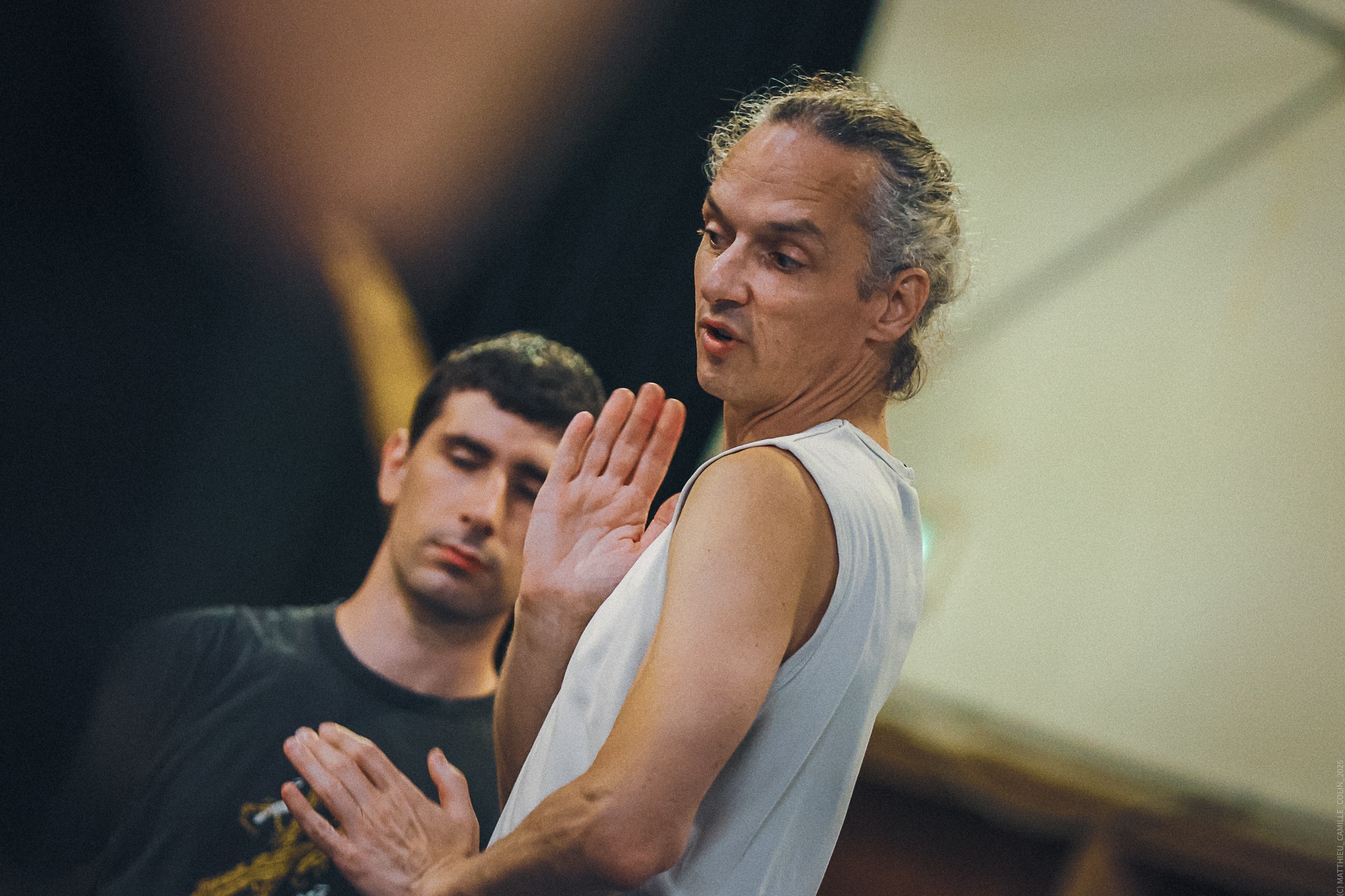
Repertoire worked with Guillaume Jablonka
- Entrée de cithe dancée par Mrs Blondy et marcel aux amours déguisez, by G.L. Pécour, on a tune by T. Bourgeois (FL/1713.2/36 LM-2780) : Consult the choreography
20 years of Divertimenty: this dance served as the basis for creation by Guillaume Jablonka for the choreography of the first air of the faunes in the 3rd act of Issé in 2017.
Content of the class with Guillaume Jablonka
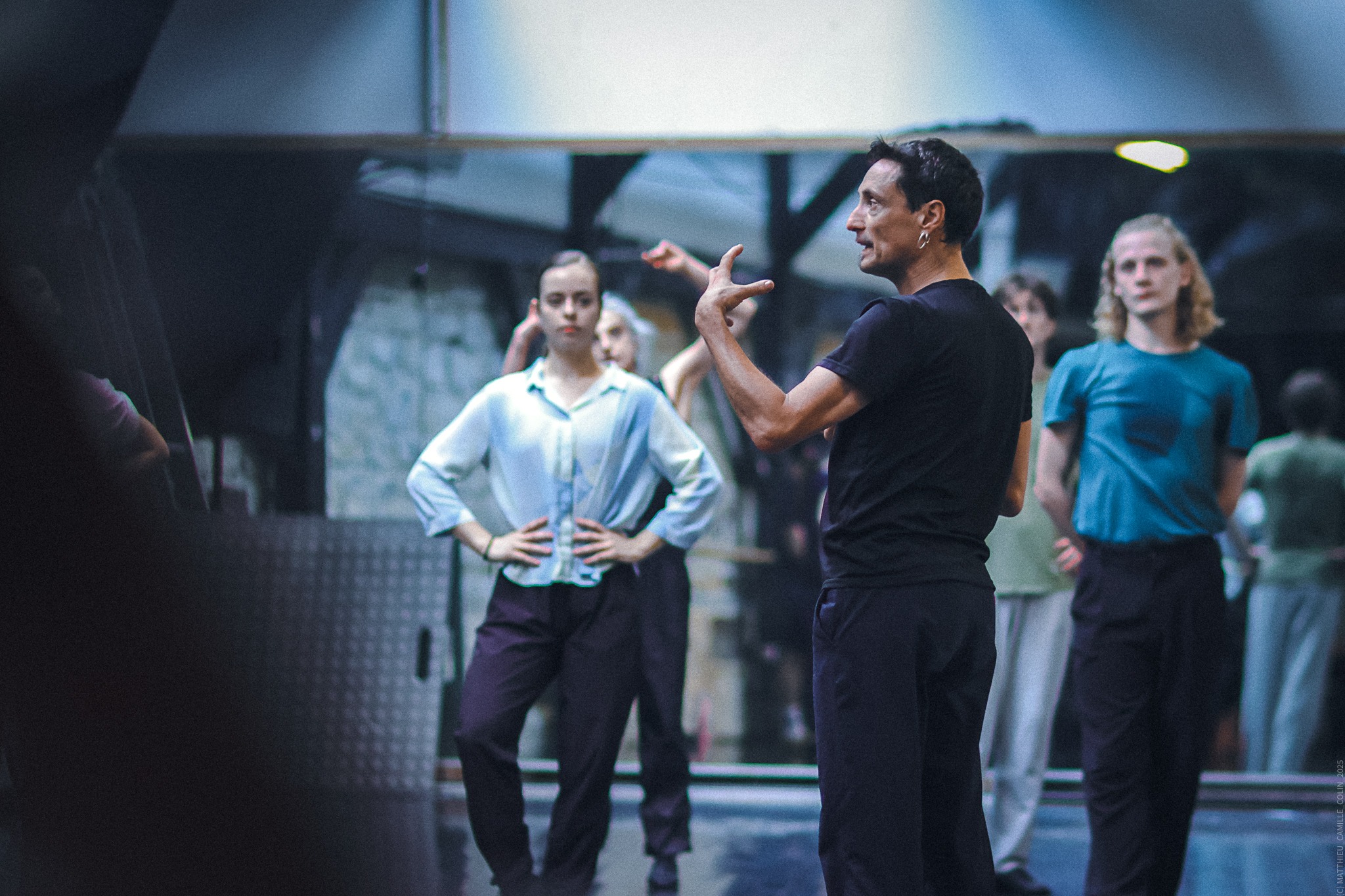
Repertoire worked with Hubert Hazebroucq
- Saraband compos’d by Monsr Pecour and danc’d by Monsr. Marcell and Madlle Menais at Paris 1720 on a tune from Issé by Destouches (FL/Ms13.1/07 LM-7640) : Consult the choreography
- Chacoon for Harlequin compos’d by Mr Roussau (circa 1728) on a tune from the comédie-ballet Le Malade Imaginaire by M.A. Charpentier (FL/1728.3s LM/[c.1728]-Cha) : Consult the choreography
20 years of Divertimenty: the chaconnes for Harlequin served as the basis for the creation of the scene ‘Arlequin et la nourrice amoureuse’ in Les Coulisses du Ballet vénitien and the Sarabande notated by Le Rousseau was re-staged during the production of Issé in 2017.
Content of the class with Hubert Hazebroucq
We will also be working on another short piece by Le Roussau, his Chaconne for a Harlequin. The two manuscript and printed versions of this choreography, quite similar, include indications of gestures, head positions, and postures related to the most typical steps for this character from Italian comedy, as highlighted in the dedication to the dancer Dupré. We will focus on connecting the various postures, the intentions behind the gestures, the playing of the mask and the liveliness of the steps to bring out the comic flavor of this dance, which belongs to the grotesque theatrical genre.
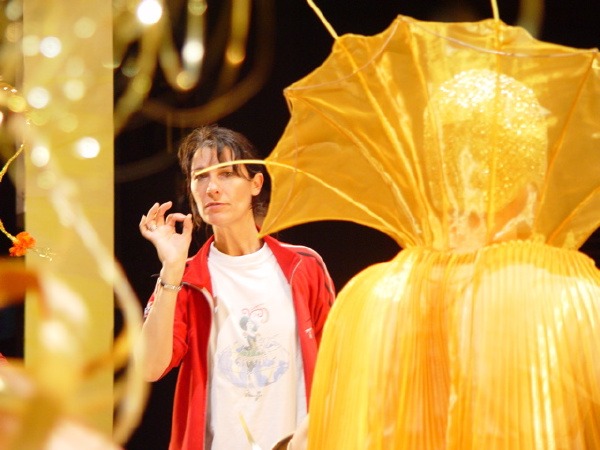
Meeting with the dancer and choreographer Marie-Geneviève Massé
Tuesday, August 25th from 3:45 pm to 6:30 pm
This session will alternate moments of video archive viewing and discussion around the interpreter journey of Marie-Geneviève Massé within Ris et Danceries under the direction of Francine Lancelot, and as a choreographer within the Compagnie de Danse l’Eventail that she directed for 40 years.
About ten seats for the screening with Marie-Geneviève Massé are on sale at a price of €15 per person by following this link: https://www.helloasso.com/associations/divertimenty/evenements/acces-auditeur-libre-ticket-for-assisting-to-m-g-masse-choregraphe
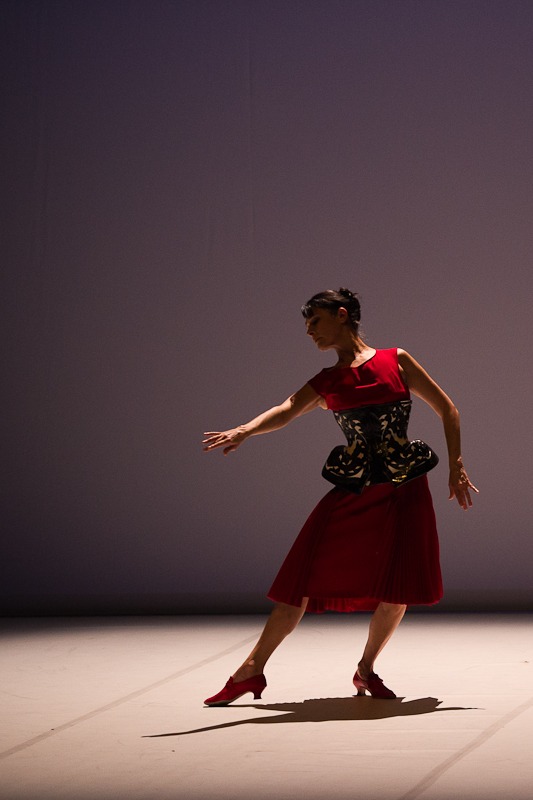
Afternoon workshops
Time slot 14:15-15:30 : Historical Dance by Soria and Baroque Pavane (I. Feste + G. Jablonka) OR Baroque Dance Composition Workshop (H. Hazebroucq)
1 Historical dance according to the theory of Henri de Soria (1860-1914)
« At the age of eleven, I was dancing in high society salons. […] The minuets and gavottes were choreographed by Mr Pluque and Mr de Soria, a mime artist at the Opera who ran a private dance school. » Le Ballet de ma vie, Cléo de Mérode. Henri de Soria (dance teacher, organiser of the Opera’s children’s balls, etiquette teacher at the Conservatoire) published theories on early dances such as the Pavane Médicis, the Menuet de la Reine and the Gavotte-Marly, which we will discover during the workshop.
The baroque Pavane
Even if the title refers to a renaissance dance with slow tempo, the two pavanes that we have in Feuillet notation must be played quickly according to the musical sources. It’s an opportunity to review some habits or automatisms.
2 Baroque Dance Composition Workshop: From Recomposition to Creation
How to use the vocabulary of Baroque dance—its motifs, figures, and modes of expression—to recreate dances in a relatively historical style, or conversely, to develop it as material for contemporary composition. We will work more specifically on the logic of cell recomposition and the construction of groundworks, in close relation to the music, initially focusing on a dramaturgy of characterization. We will begin with examples of compositional processes that I have had the opportunity to apply to the creation of shows, particularly around the figure of Harlequin, but also for a noble duet and for an Entrée of Statues. Proposals for extrapolation and displacement will also be explored, emphasizing the articulation between recomposition, contextualization, and the enactment of meaning. The goal for each participant will be to create their own dance starting from shared material and appropriating Baroque rules of the game
Time Slot 15:45-17:00 : La Nouvelle Forlane / Master-Class (I. Feste) OR The Twenties (1520-1720) (G. Jablonka + H. Hazebroucq)
3 1826 Waltz, Dance Book TB anniversary
Theme of the 1920s: Dance Book TB 1826, a manuscript containing traditional social dances (quadrille, minuet, gavotte, Irish and Scottish dances, waltz, etc.) and traditional theatrical dances (pas de deux, pas de trois, pas de quatre, Russian dance, Cossack dance, etc.). The waltz occupies an important place in this manuscript, with no fewer than four choreographies involving between two and eight dancers. We will work on one of these waltzes.
4 The Twenties (1520-1720)
The Basse danse took on a new form in the early 16th century, diverging from its 15th-century Franco-Burgundian version, both in the composition of the choreographic « measures » and in the music. It is the most frequently mentioned ball dance of this period. (Sources Arena 1528, Jacques Moderne, Thoinot Arbeau c.1595)
Arena, Ad suos compagnones studiantes : https://gallica.bnf.fr/ark:/12148/bpt6k71525c/f89.item
In Apologie de la danse 1623 François de Lauze describes the recently established suite for opening the ball, including the « branles simple, branle gay, branle à mener, branle double de Poitou, de Montirandé », and the gavotte, all circle or chain dances from which we will learn some excerpts. The careful description of the movements reveals the evolution of the style, paving the way for the belle danse through the stylization of the steps as much as the refinement of movement.
Apologie de la danse : https://gallica.bnf.fr/ark:/12148/bpt6k1040284n
Dezais 1st contredanse book 1725-26: the 1720s are a marking bridge between the age of the finishing belle danse and that of the triumphant countrydance. The choreographies of Dezais reflect this, in particular the minuet at 4 La Carignan.
https://haab-digital.klassik-stiftung.de/viewer/image/352318066X/3/LOG_0000/
Dates and schedule
- Sa Aug.22nd 2026 6 pm : welcoming and collective dancing time
- Sun Aug 23rd till Thu 27th : 10 am-6 pm technical class, workshops, talks
- Fri Aug 28th : 10 am-1 pm classes then public presentation gathering all participants at 2 pm
- Optional convivial moments : dinner on the banks of the Seine…
Suggestion out of the proper content of the Academy:
- a performance of Candide or the Ballet of Optimism, creation 2026 of the Company Divertimenty will take place on Sunday, August 23, 2026 at 6 PM at the Auguste Théâtre, 6 impasse Lamier 75011 Paris, M°2 Philippe Auguste. The tickets will soon be on sale, a preferential rate of €18 will be offered to participants from the Académie Pécour.
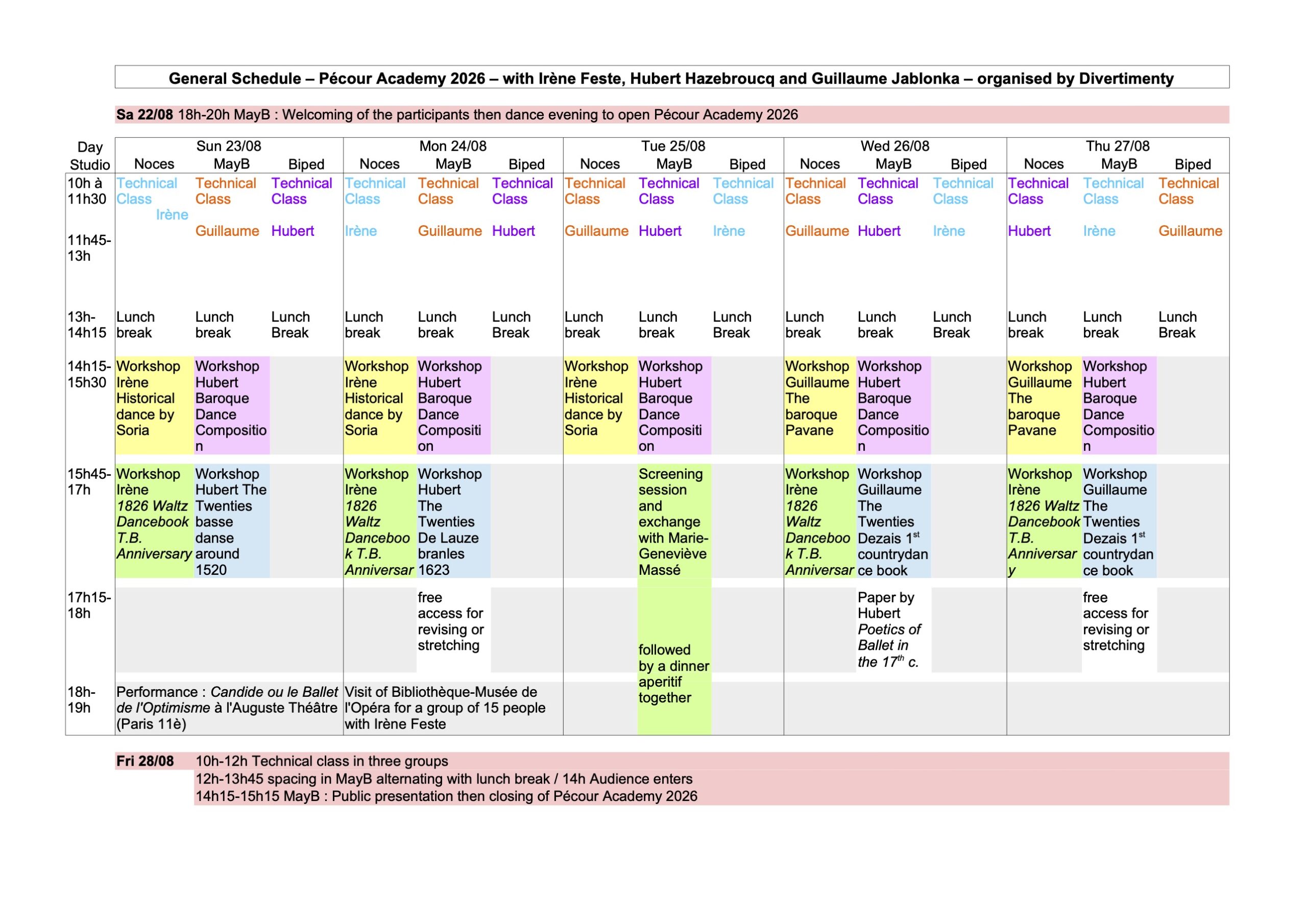
Training locations and access
- Micadanses, 15, 16 et 20 rue Geoffroy l’Asnier, 75004 Paris : we will train in three different studios MayB, Noces et Biped.
- Public transport access : Metro 7 Pont Marie or Metro 1 St Paul, easily accessible also over Châtelet-Les Hallesstation then a 10 minutes walk.
These studios are easily accessible by Châtelet-Les Halles, the main metro and RER exchange station, for those who would choose accommodation far from Paris and therefore cheaper.
If you have troubles finding an accomodation (prices or availability), please contact us and we will try to find a solution.
The area has supermarkets and fast food options for easy and convenient lunches. It is possible to eat outdoors to enjoy the neighborhood or indoors in case of rain.
Cost of Training
- Registration fee : 60 € obligatory to validate the registration and non-refundable
- Educational fee : 290 €
Accommodation and meals are the responsibility of the participants. For advice, do not hesitate to contact us.
Funding Program with Dance & History e.V.

The association Dance & History e.V. has its headquarters in Germany near Munich and supports research in historical dance as well as the dissemination of knowledge in this field. She chose to offer to a young dancer residing in Germany financial aid allowing him/her to come to attend the Pécour Academy 2026: this program marks recognition of the quality of the training offered by Divertimenty.
It is necessary to apply for registration with Divertimenty by ticking the dedicated box on the form and also to complete an application with Dance & History e.V. if you think you meet the necessary requirements.
Read the program conditions in German or the program conditions in English.
To register for Pecour Academy : new 2 steps registration procedure
1st step: Allocation of 30 places in April 2026
Fill out and return the registration application form before April 15, 2026: 30 places will be allocated by the teachers of the Académie Pécour and the people concerned will receive an acceptance email no later than April 30, 2026. Those who have not been selected in the first step will automatically be candidates in the second step and will also receive an email in this regard.
One of these 30 places is reserved for a young dancer based in Germany wishing to benefit from the award program offered by Dance & History e.V.
2nd step: Allocation of 6 places in June 2026
In order to overcome the uncertainties of availability of certain candidates, six places are reserved for late registration requests received until June 15, 2026. The professors of the Académie Pécour will choose six candidates who will be informed no later than June 30, 2026. Candidates who cannot be offered a place will receive an email of registration on the waiting list and will be notified if a place is liberated by any withdrawal..
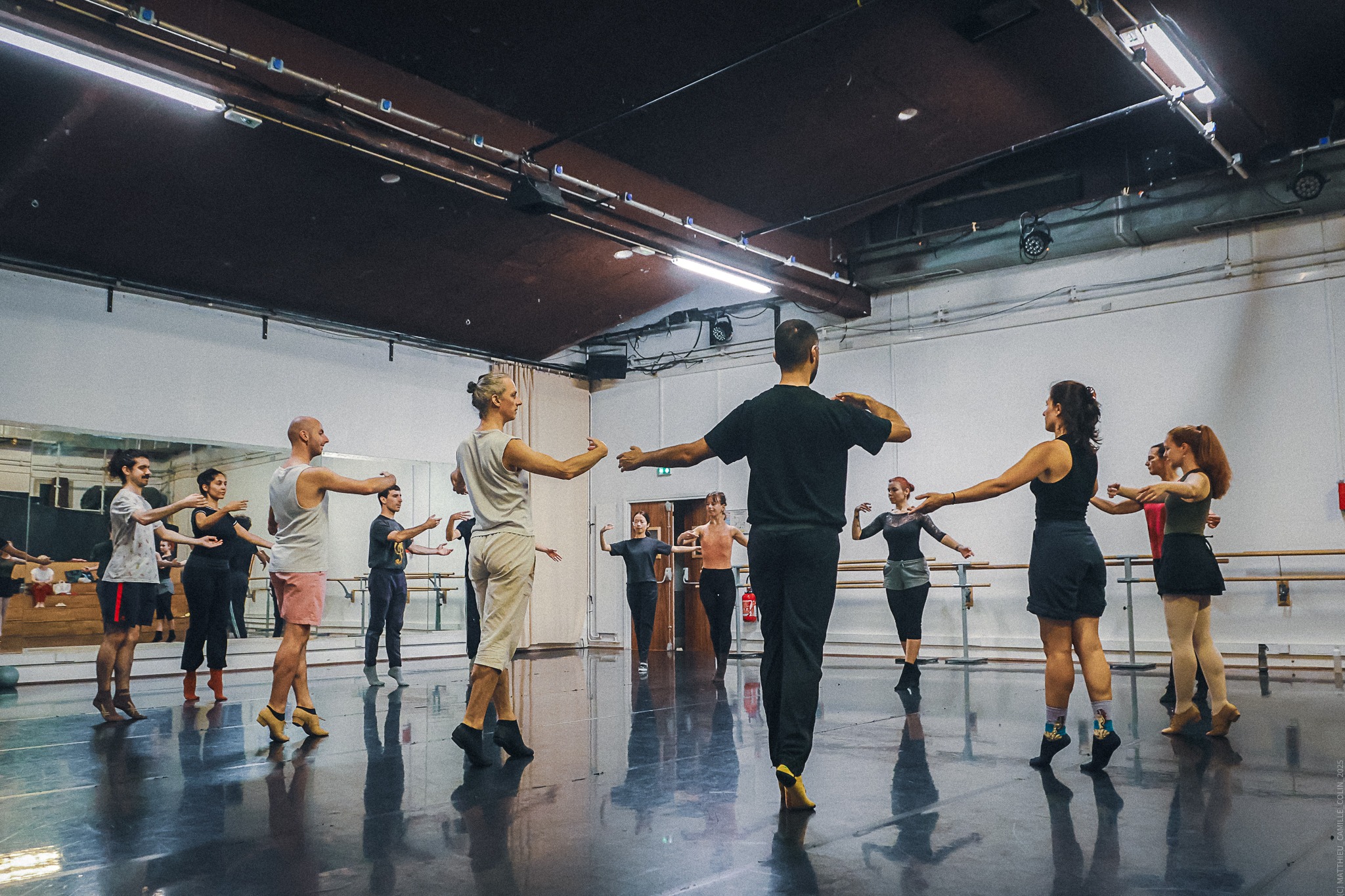
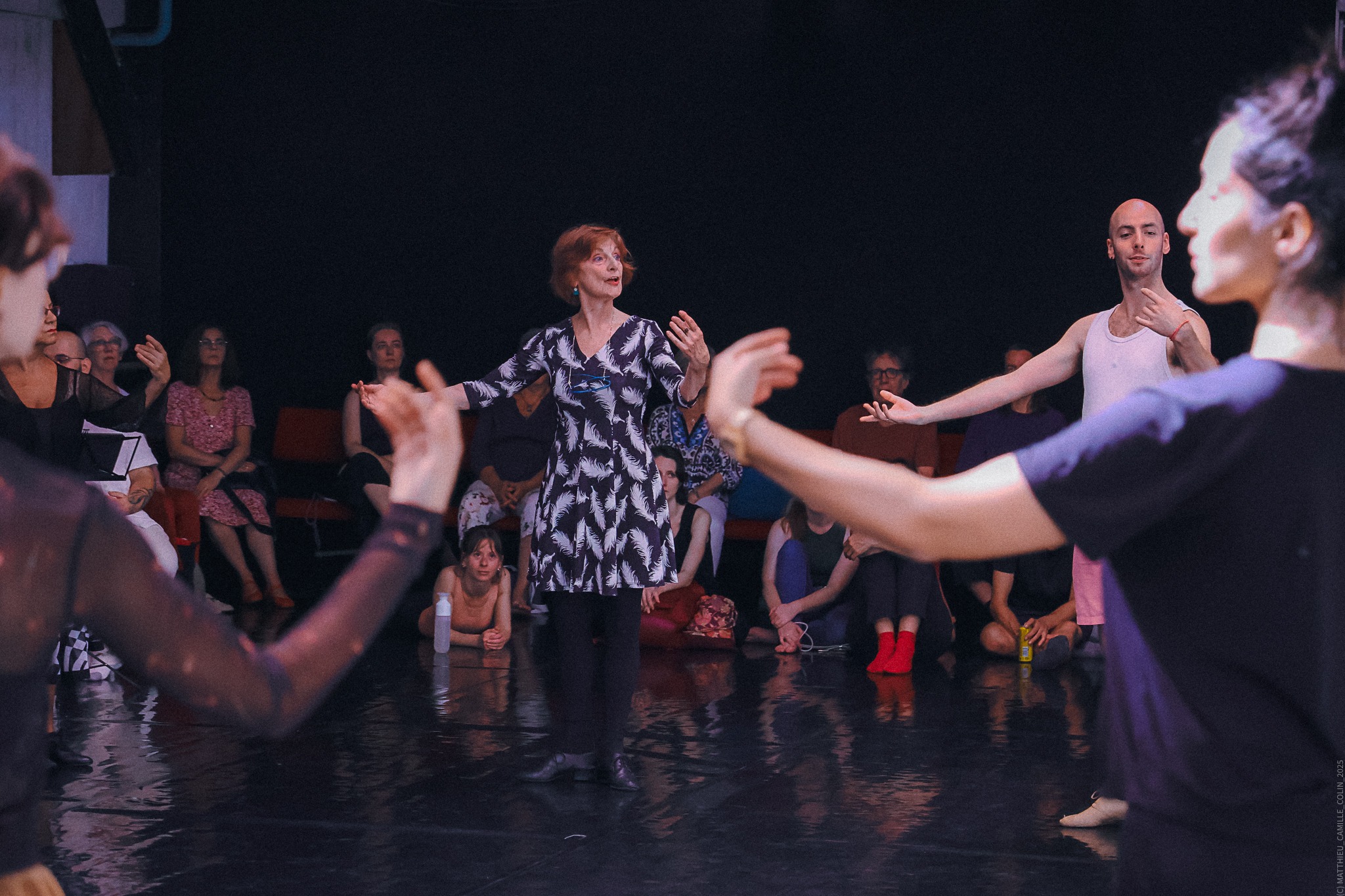
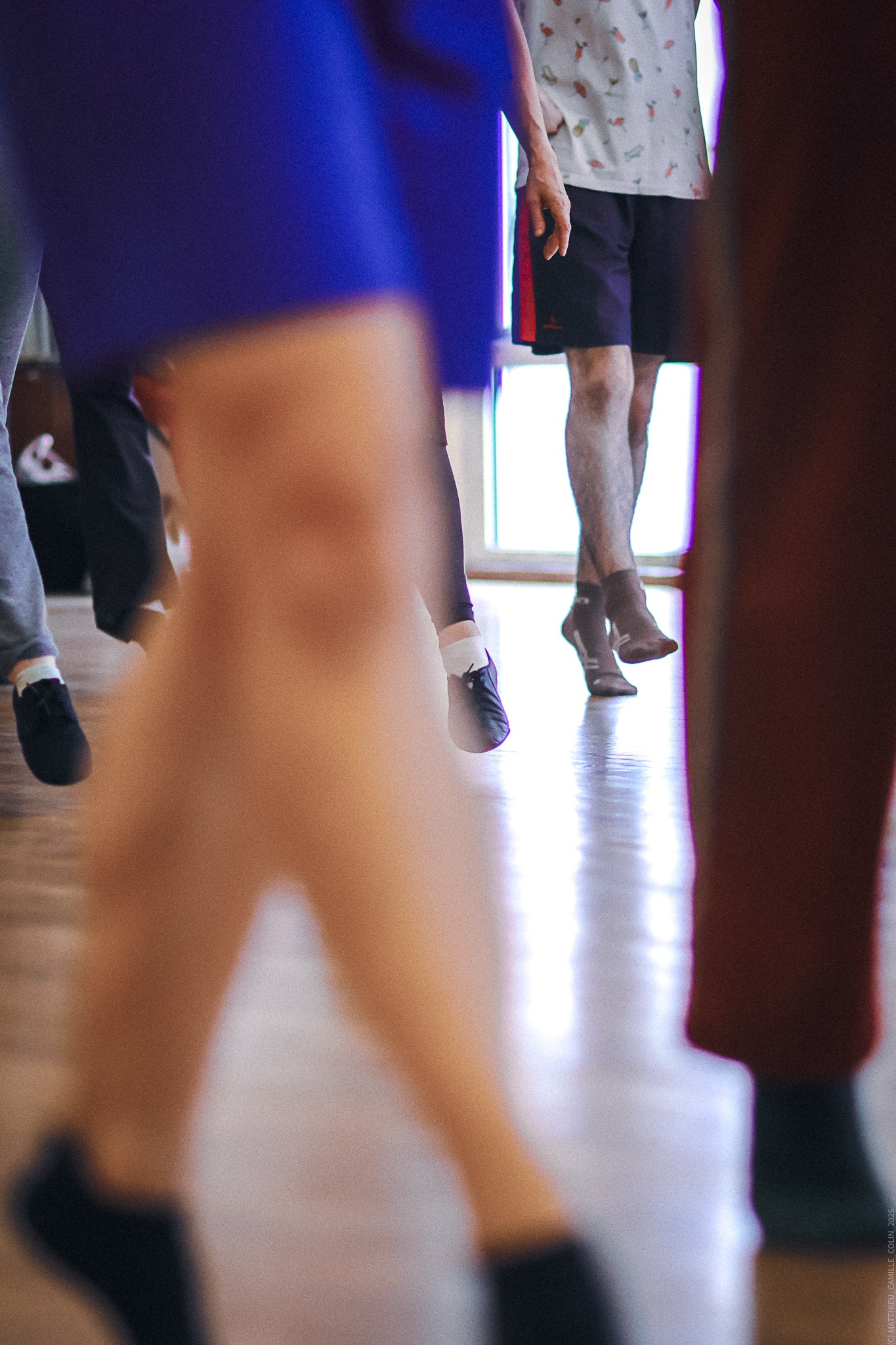
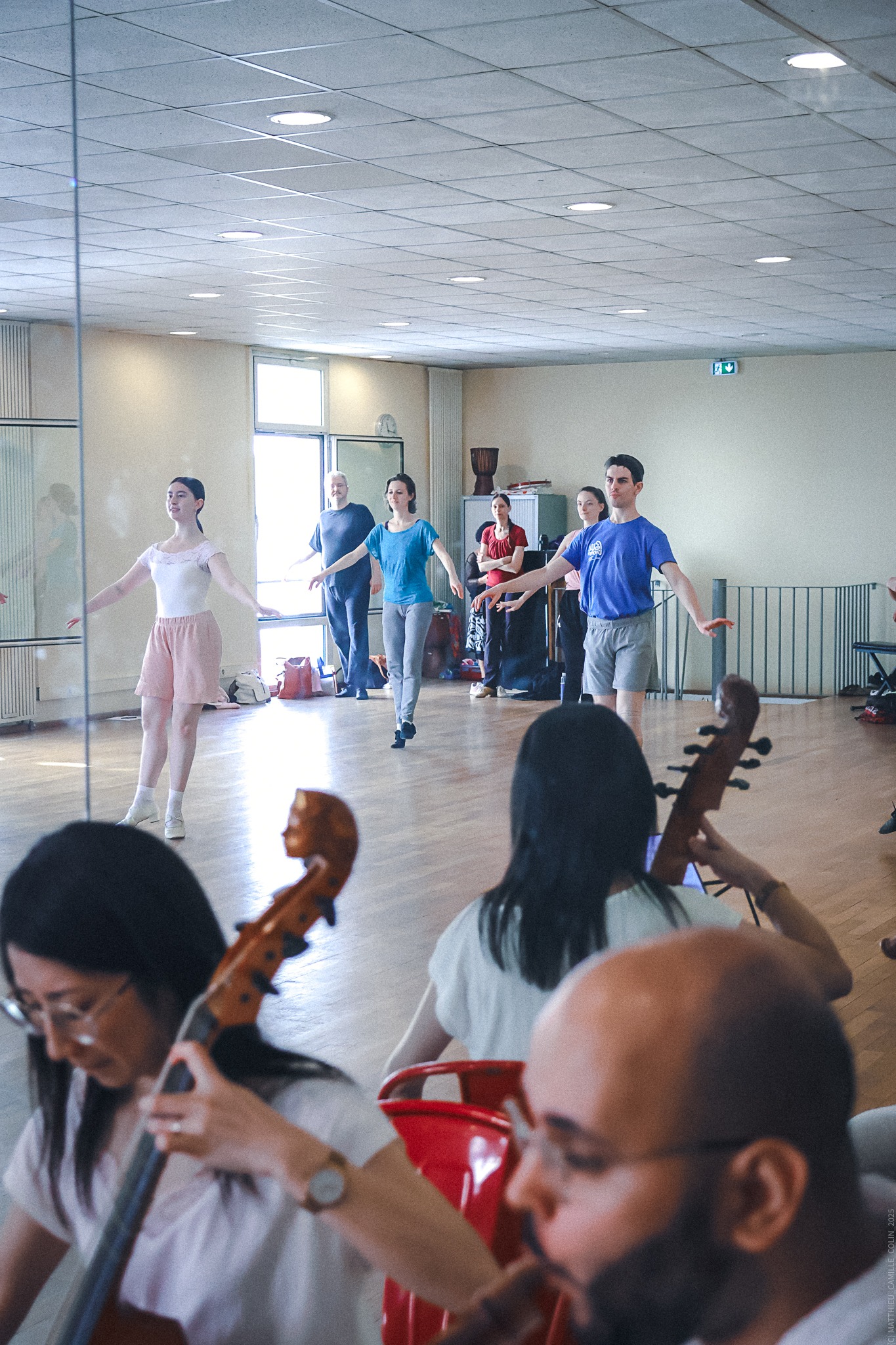
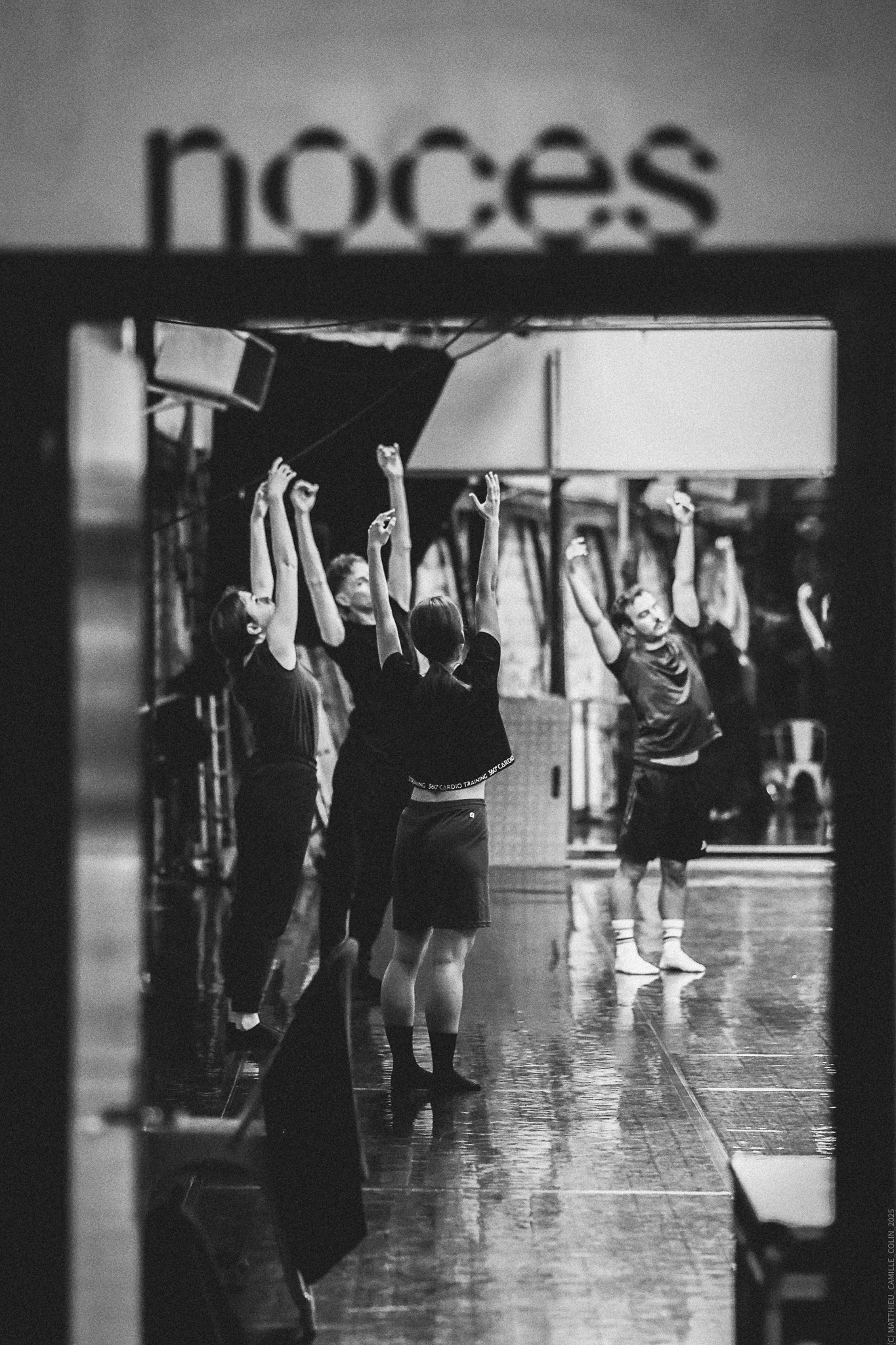
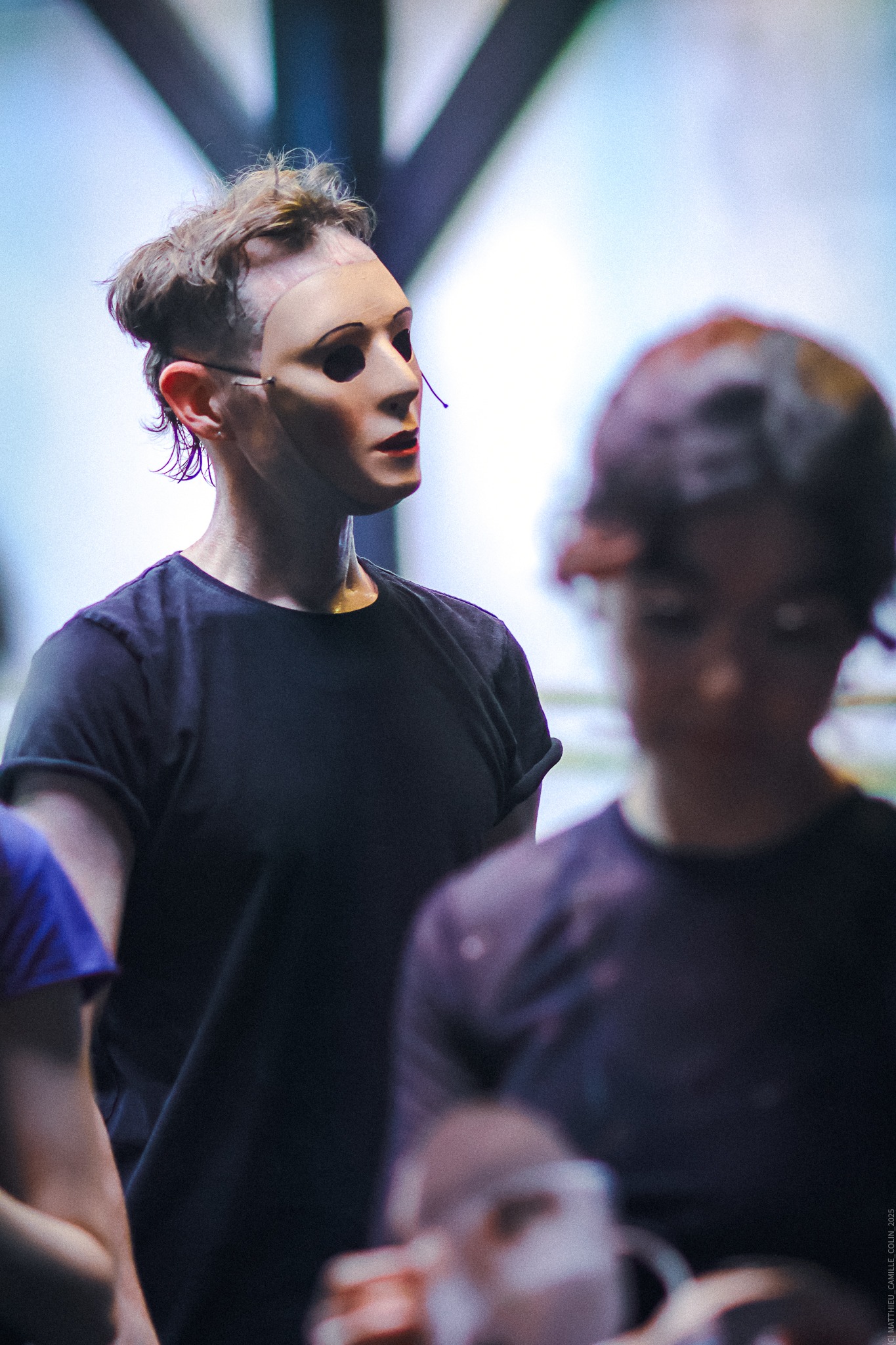
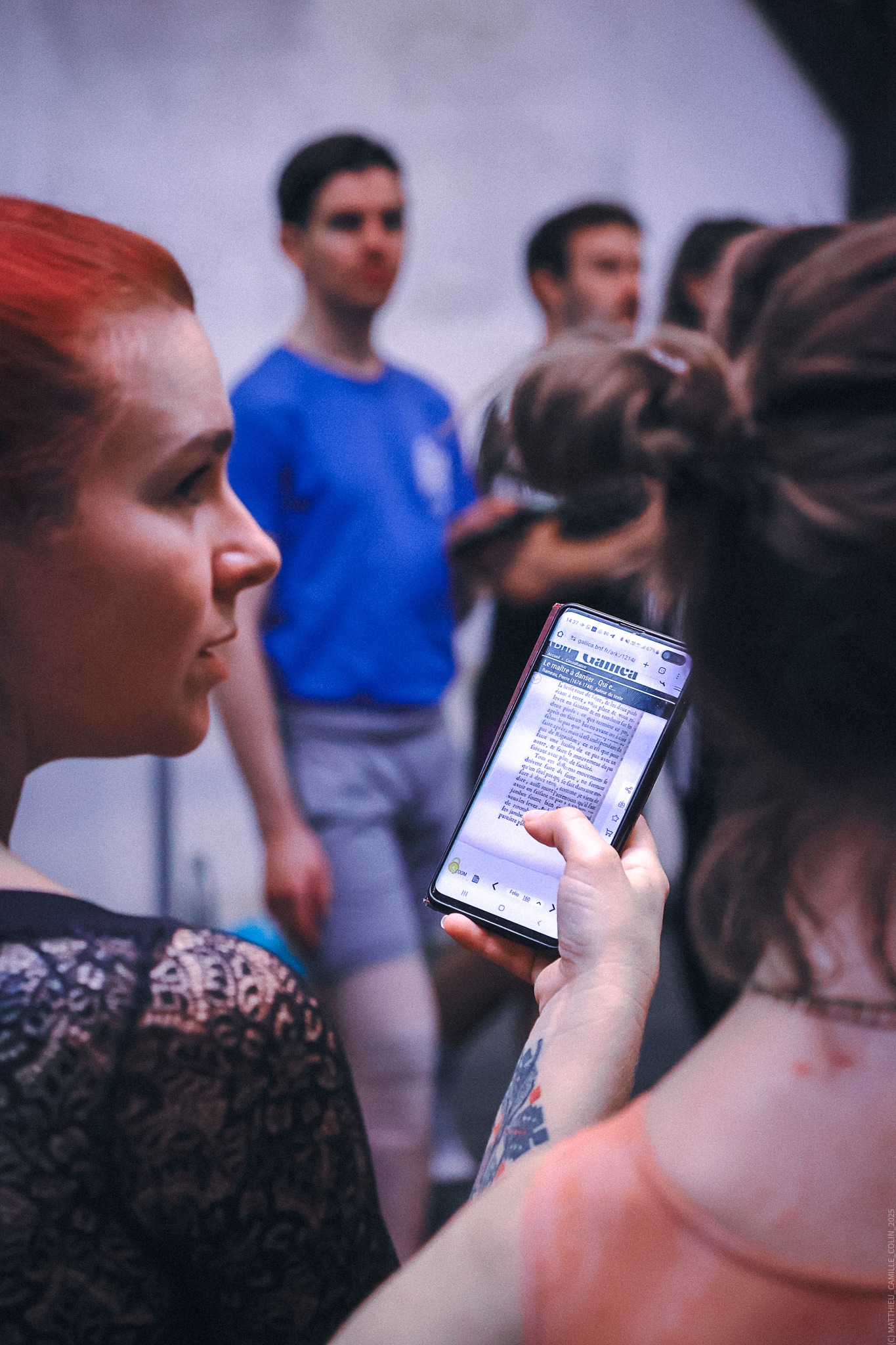
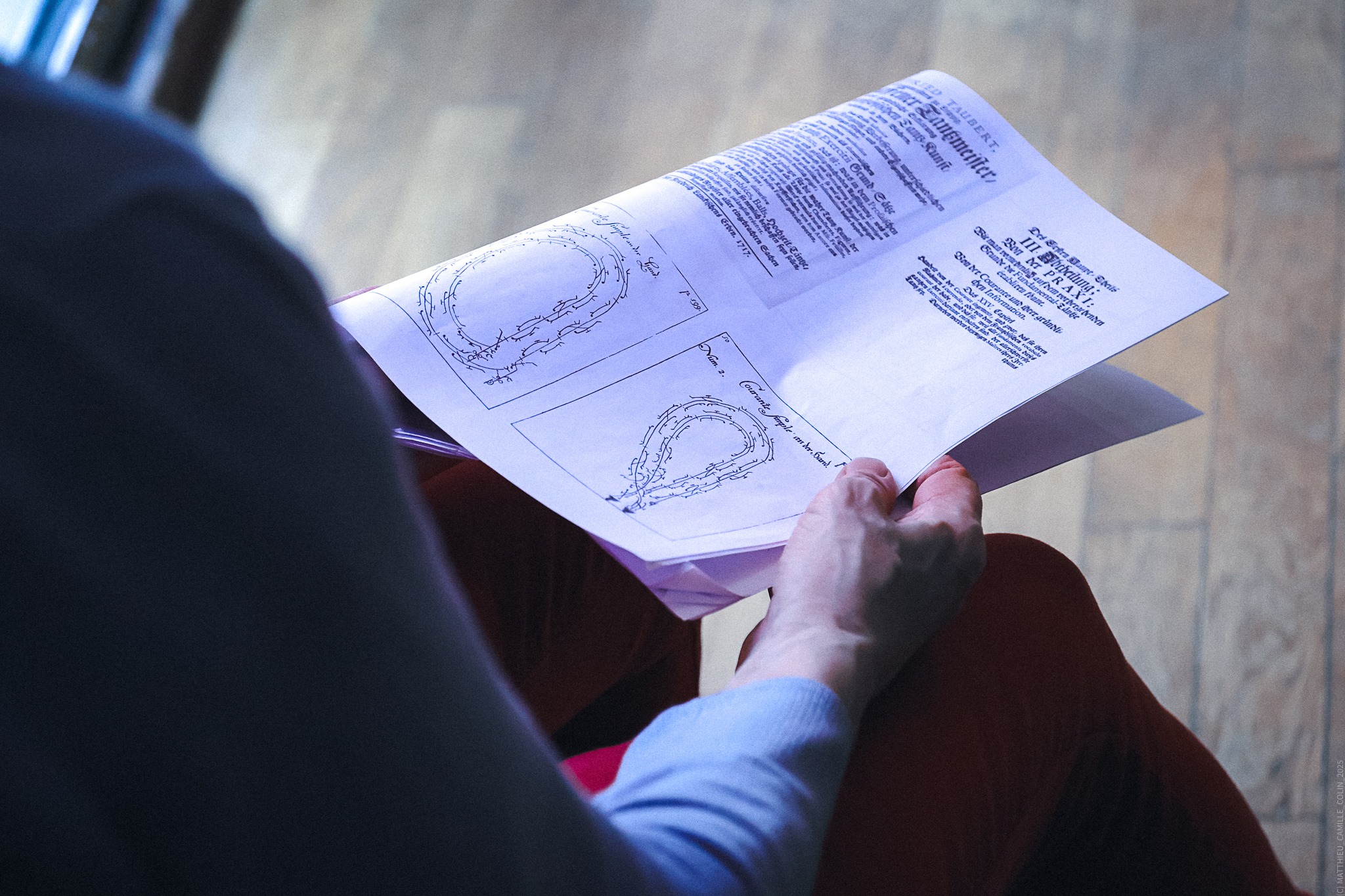
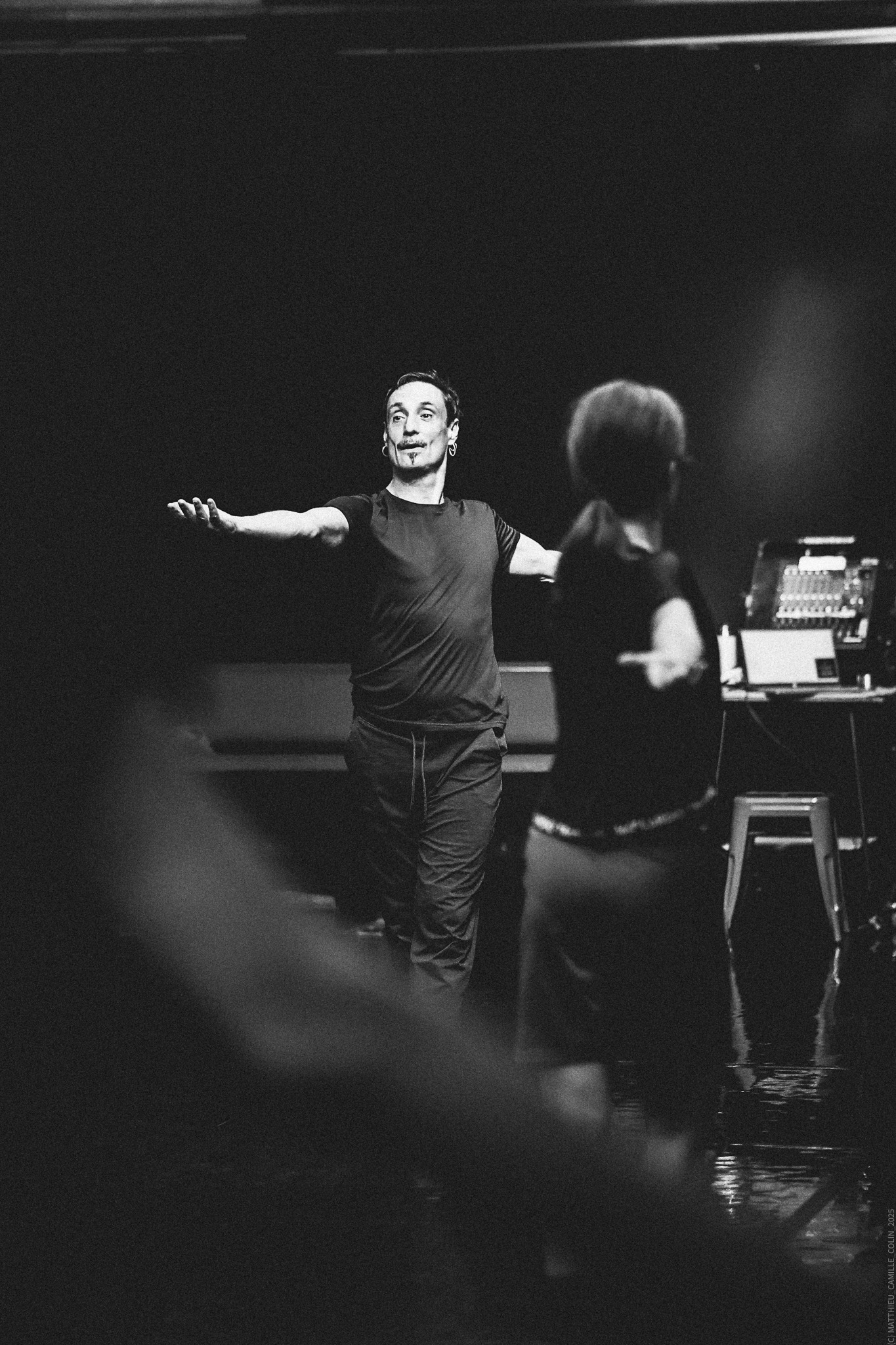
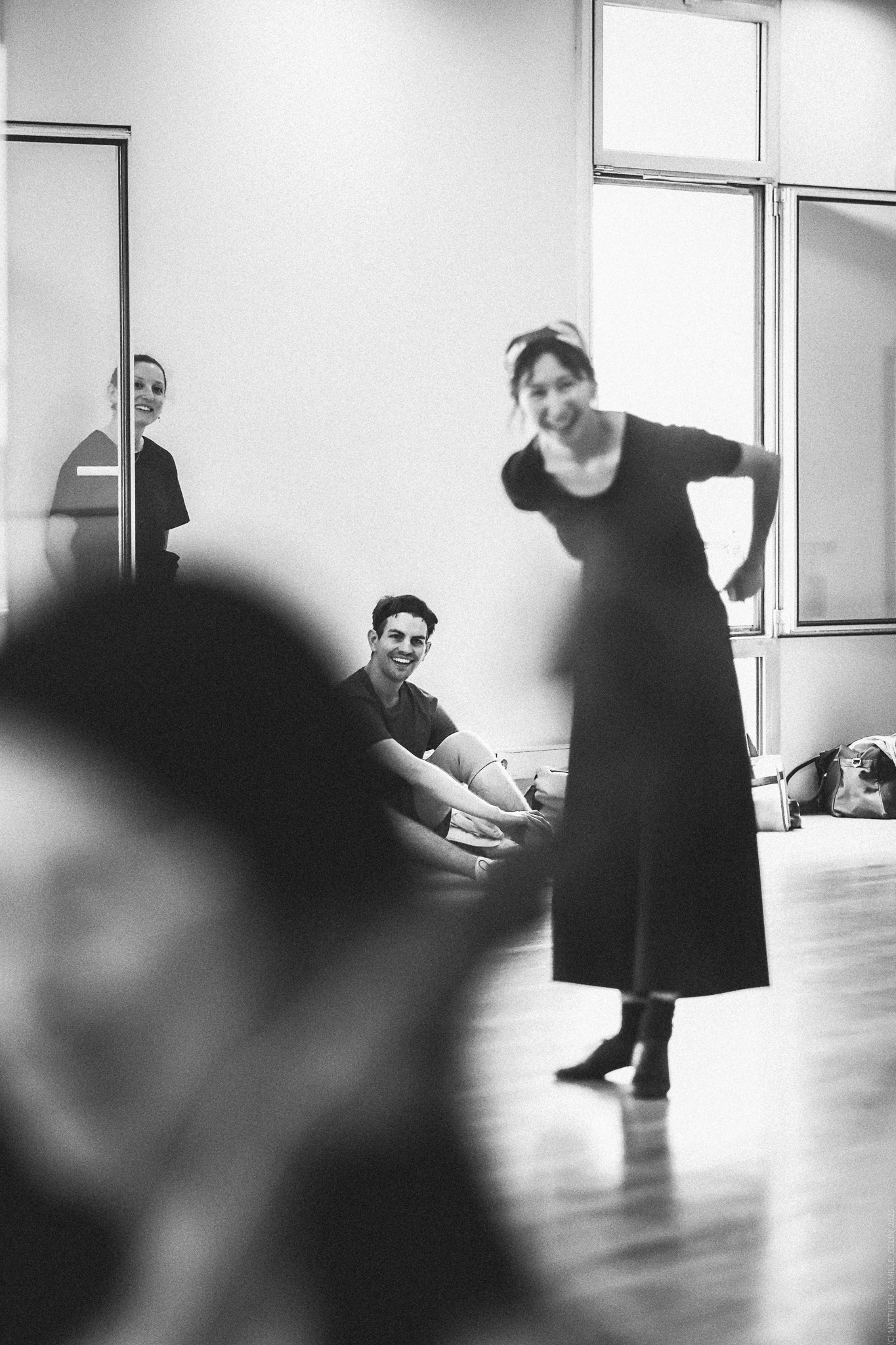
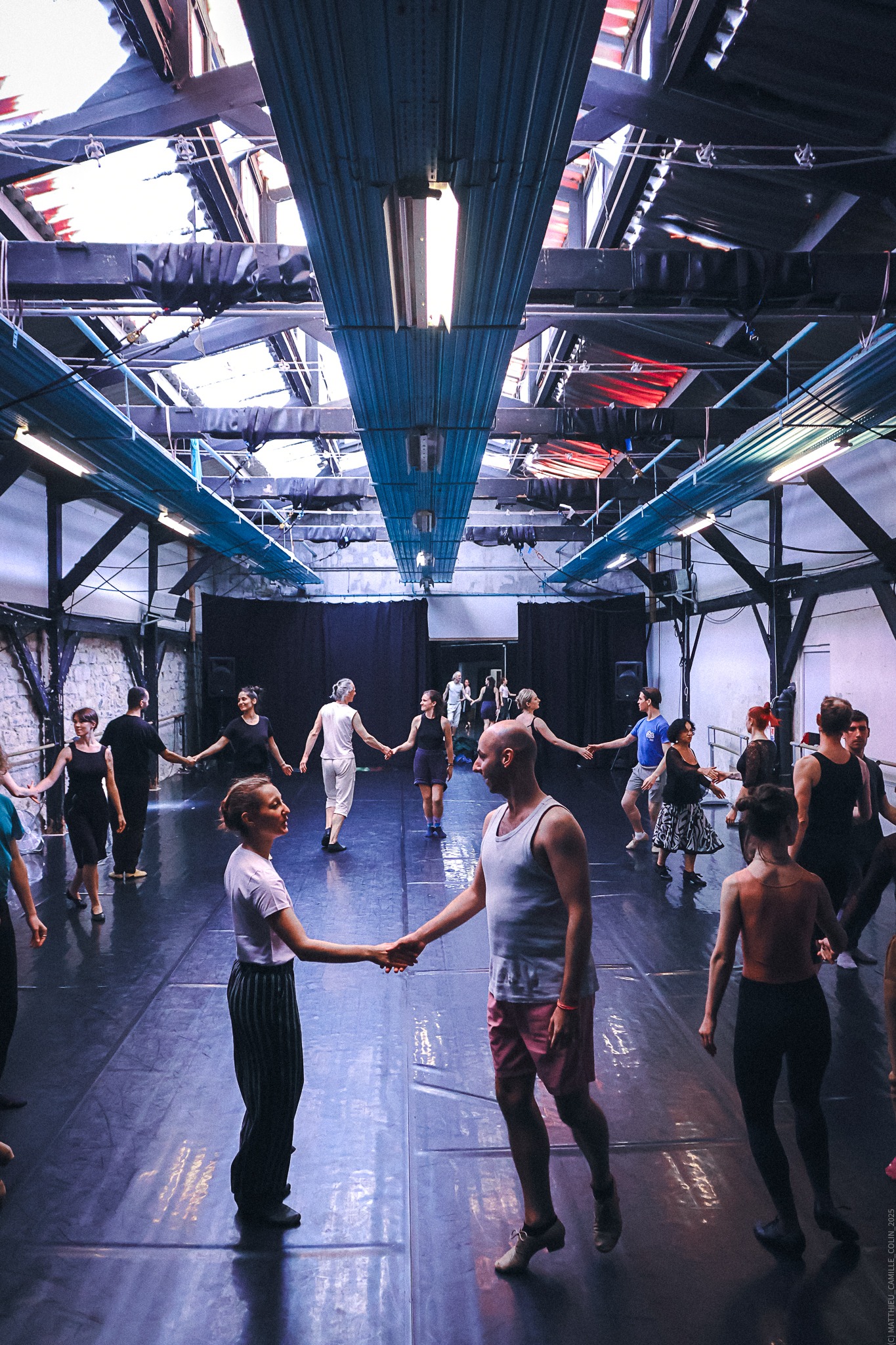
Some pictures from the last edition with « Celebrating Pierre Rameau and Anthony L’Abbé for the 300th anniversary of their publications » as theme (credit Matthieu Camille Colin) :
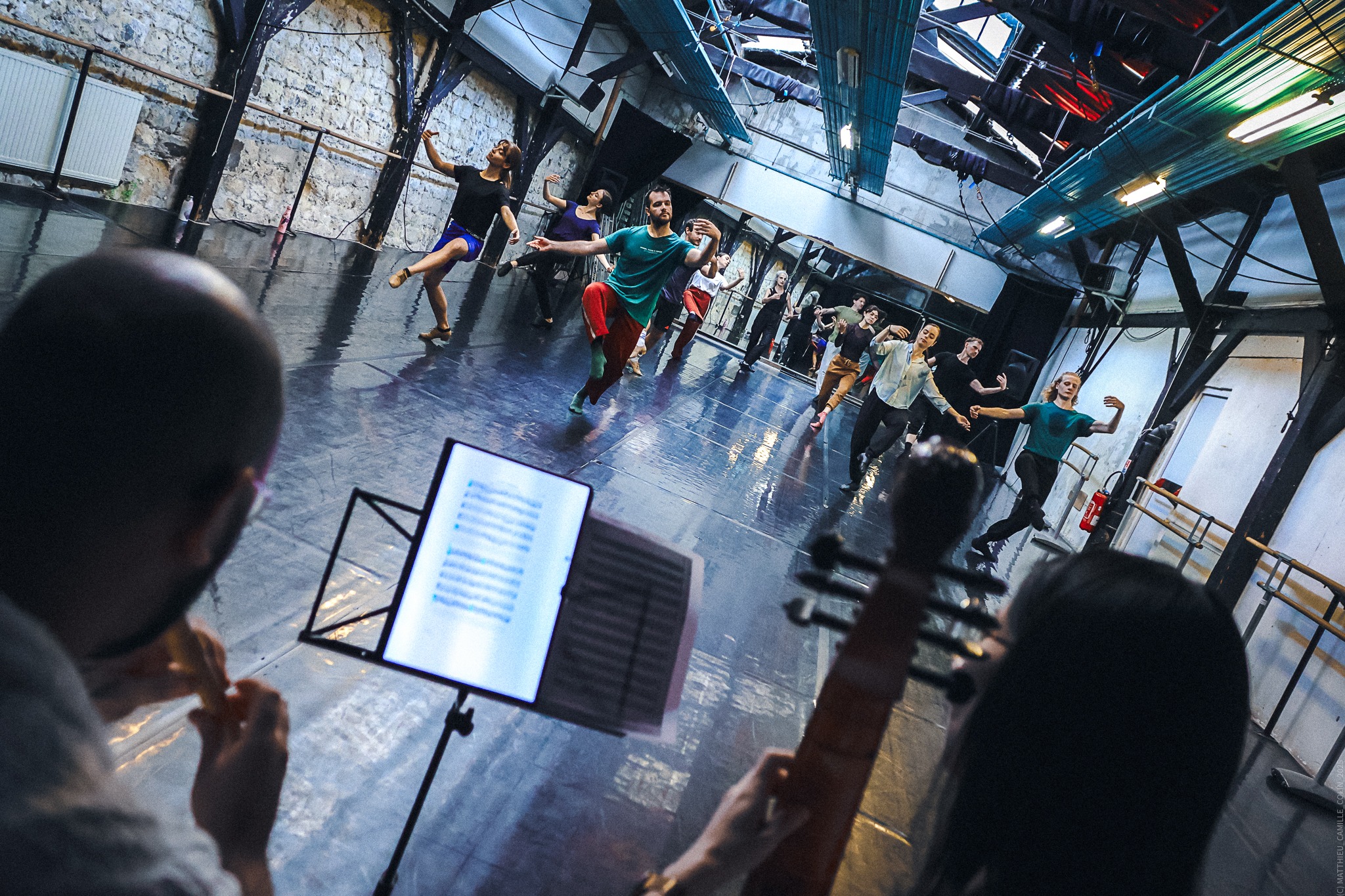
Why this academy ?
- Baroque dance is reaching an increasingly large international audience and is gaining ground in more and more different countries. However, once at a certain level, it is often difficult for amateur and professional dancers to continue to progress due to the lack of advanced students to fill local classes. This academy proposes to gather for a week these dancers in demand of a high level work provided by quality teachers.
Why referring to Pecour ?
- Guillaume Louis Pécour was a key figure in the dance world around 1700. He succeeded Pierre Beauchamp as ballet master to the court and Opera. Both his ball dances and his ballet entrées are transcribed by Feuillet into the Chorégraphie notation system and Pierre Rameau receives from him a public approval for the content of the publication Le Maître à Danser. Pécour is the keystone of the dance building in the Baroque era. It then seems relevant as a reference for a baroque dance academy in Paris.

Why these trainers ?
- The trainers are all professionals of the Baroque world in activity and with a recognized career. They are particularly distinguished by their involvement in practical research activities around baroque dance.
Which prerequisites ?
- This academy is aimed at participants with a technical level in baroque dance from intermediate/advanced to advanced/professional.
What outfit to learn ?
- The teaching team expressly requests a pair of adapted dance shoes with wide heel. (for example Cabaret model of the brand Sansha at 28 to 35 € per pair). The rest of the outfit should be soft and comfortable but not too loose at the legs so that teachers can correct students.
What is baroque dance ?
- What is now called «baroque dance» is the result of some fifty years of research into the restitution and putting on shows of the academic dance of French origin practiced in the 17th and 18th centuries.


A lire aussi :
- Qu’est-ce que la danse baroque ?
- Les Clefs de la Culture Baroque pour mieux comprendre cette époque, sa danse, et ce qu’on en fait aujourd’hui
- Le parcours de Guillaume Jablonka, directeur artistique de Divertimenty
- Découvrez les artistes qui collaborent avec Divertimenty
- Soutenez la compagnie
- La presse : ils parlent de nous
- Ils nous ont accueilli
SHOWS BY DIVERTIMENTY
About the compagnie
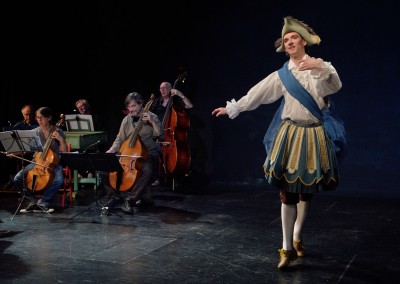
Since 2006, Divertimenty has been offering live performances and actions around the dance culture of the 18th century. The creations are fortified by current theoretical and practical research to anchor the contemporary aspect of the new baroque generation that the company embodies.
Contact
contact at divertimenty.org
Choreographer
Guillaume Jablonka
+33 06.62.52.50.28
Administrative contact
Vanessa Colas
+33 06.42.87.00.62
Mentions légales
Directeur de la publication : Martine Ravaine
Réalisation : Rachel COUDRAY pour POLIPHILIA – 2014
Hébergement : OVH
Crédits photographiques : Mélanie Foucault, Christophe Perricon, Valérian, Poliphilia, Alice Bloch (Opéra comique)
SIRET : 507 739 662 00033
APE : 9001 Z
Licence d’entrepreneur du spectacle PLATESV-R-2021-013023
Organisme de formation professionnelle 11 92 17047 92